Bending the World to Your Will · Stevan Terzic
They Were Never
Better Than You.
Fourteen laws that explain why people respect one man's decisions—and expect you to change yours.
With women. With friends. At work. At the family table.

His no ends the conversation. Yours starts the questions.
Picture a friend asking two men to help him move on Saturday.
The first says, “I've got plans.”
“Fair enough.” The friend asks someone else.
The second gives the same answer. “I've got plans.”
“What plans?
Can't you do that on Sunday?
Come on, it'll only take a couple of hours.”
Now he is explaining where he is going, who he promised and why it matters.
Ten minutes later, he is cancelling his afternoon.
Did the first man have a better reason?
Nobody knows.
He was never asked for one.
Was the second man's Saturday worth less?
Only in the conversation he just agreed to have.
And what does he decide afterwards?
Next time, he needs a better excuse.
That is where I want your attention.
He is preparing a more convincing reason to keep his own day.
The other man never had to give one.
One man had plans. The other needed permission to keep them.
You have seen it over lunch.
One man mentions a decision and the conversation moves on.
You mention yours and spend the next half-hour explaining why you were allowed to make it.
I have put that difference into fourteen laws, with the reasons behind them and the words to use.
But first, you deserve an answer to the obvious question.
Why were you taught everything except this?

One man had plans. The other needed permission to keep them.
You were trained to make other people's lives easier.
Wait your turn.
Earn it first.
Ask nicely.
Explain yourself.
Do not get ahead of yourself.
You followed those instructions.
Look at who benefited.
Easy to raise.
Easy to grade.
Cheap to employ.
Most of the people teaching you believed they were helping.
They passed on what they had been taught.
But keeping the house quiet and the classroom orderly was never the same job as teaching you to get what you wanted.
Nobody came back at eighteen to explain the difference.
So you kept being the good boy, with better vocabulary and a salary attached.
You became more useful.
You waited to be recognised.
Other men got on with asking.
They were not better than you. They were just worse at obeying.
I want you to recognise those instructions at the moment you are about to follow them again.
At the family table.
Before you press send.
When someone asks for the evening you had planned for yourself.
Here is a fraction of what I have written down for those moments.
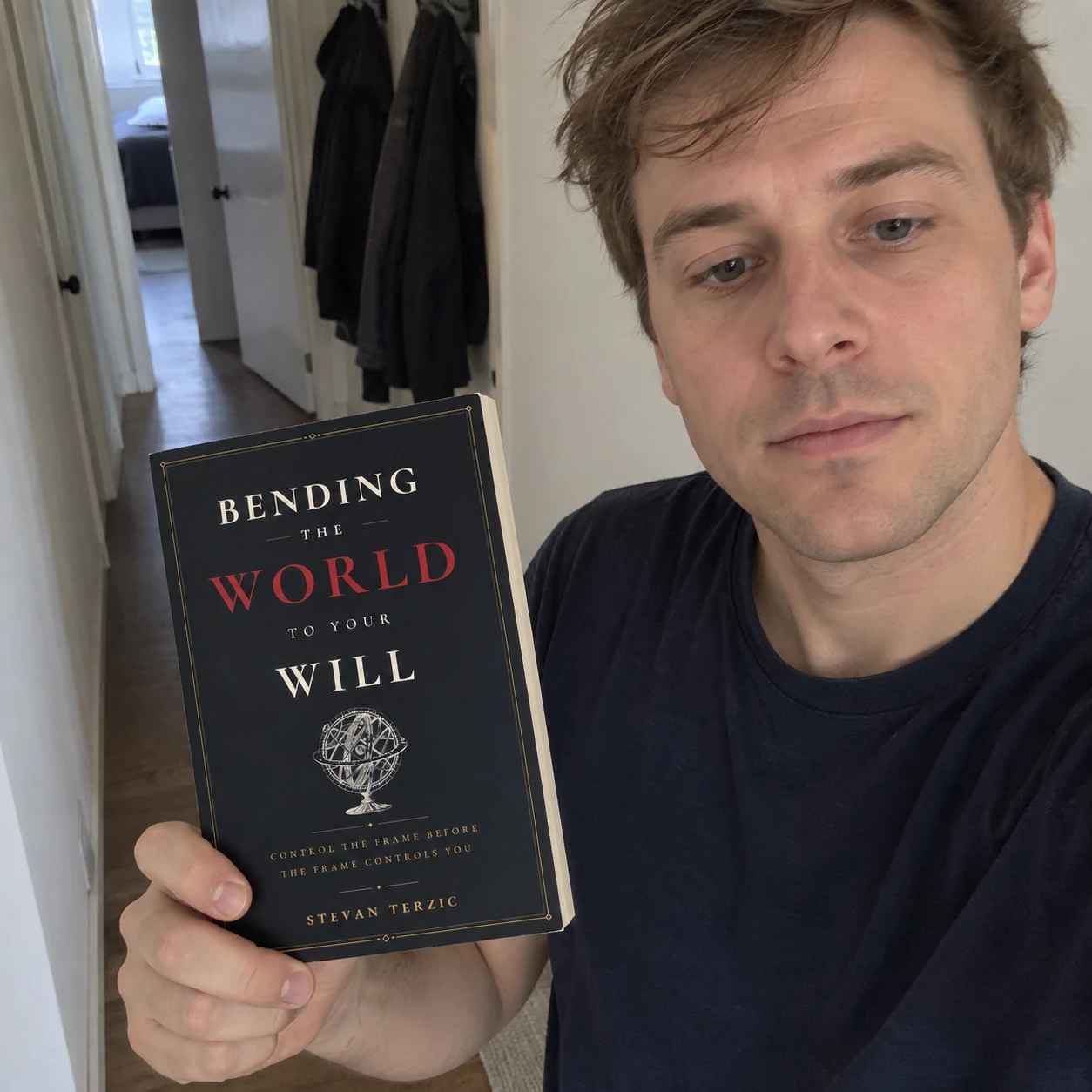

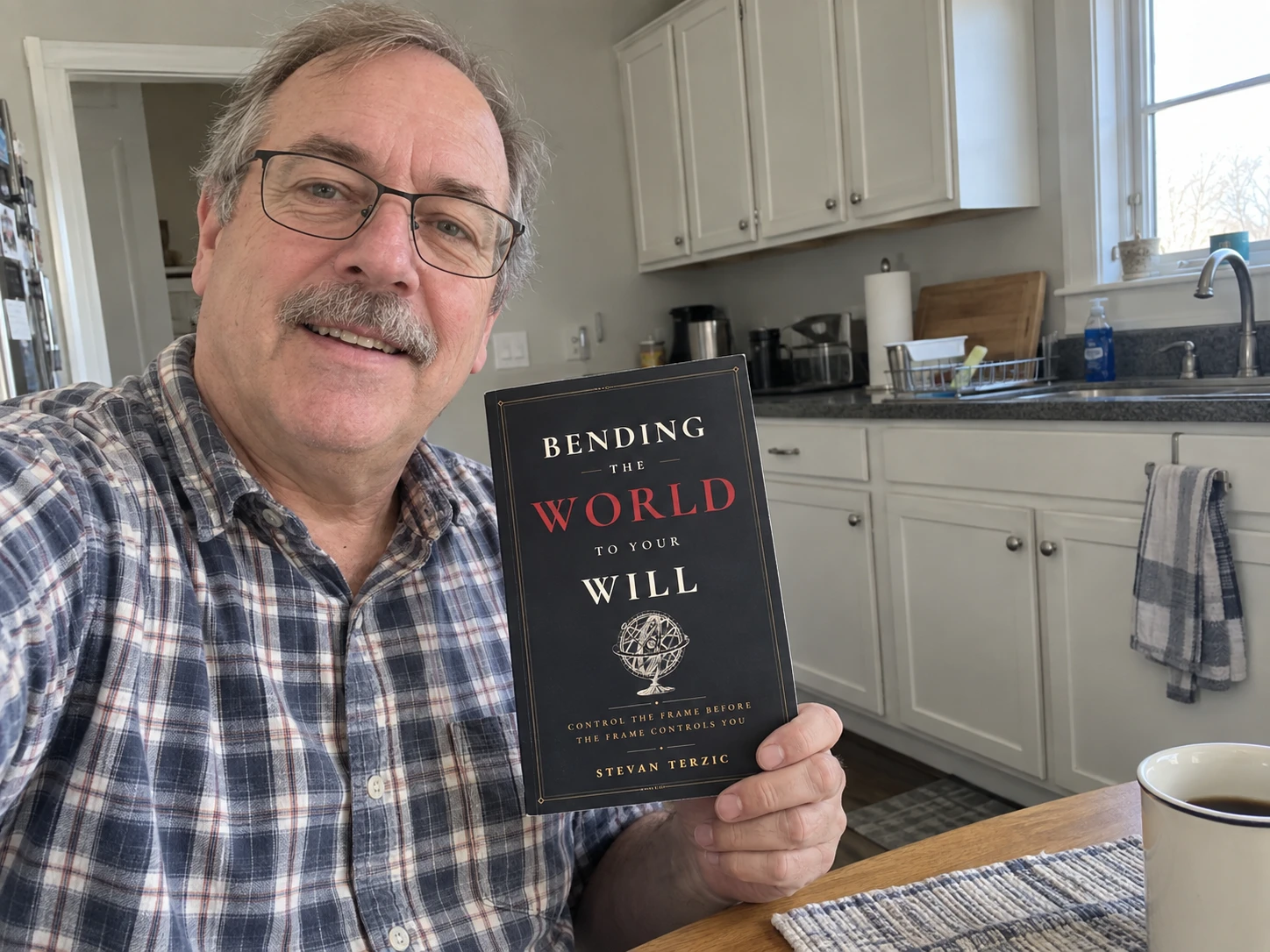
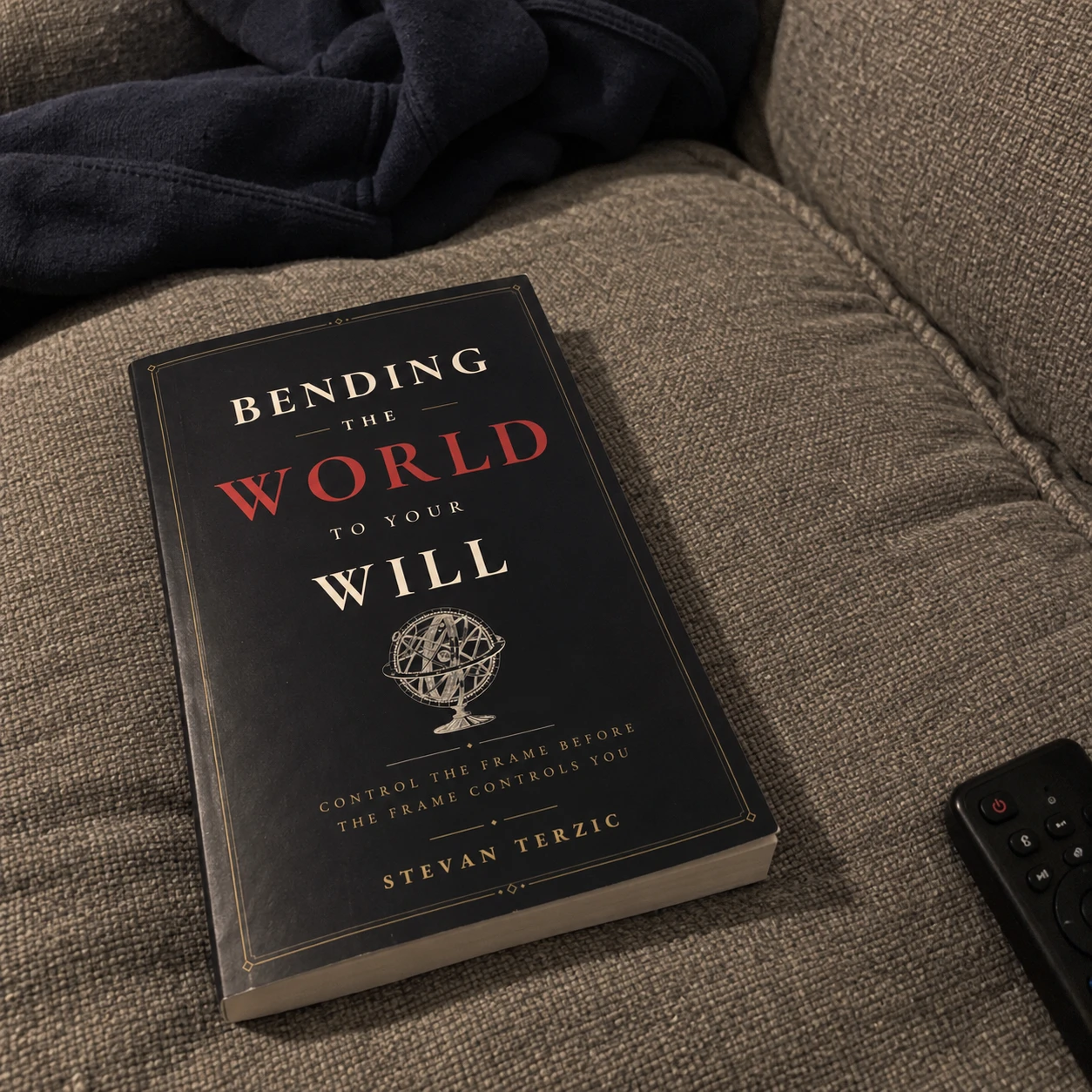

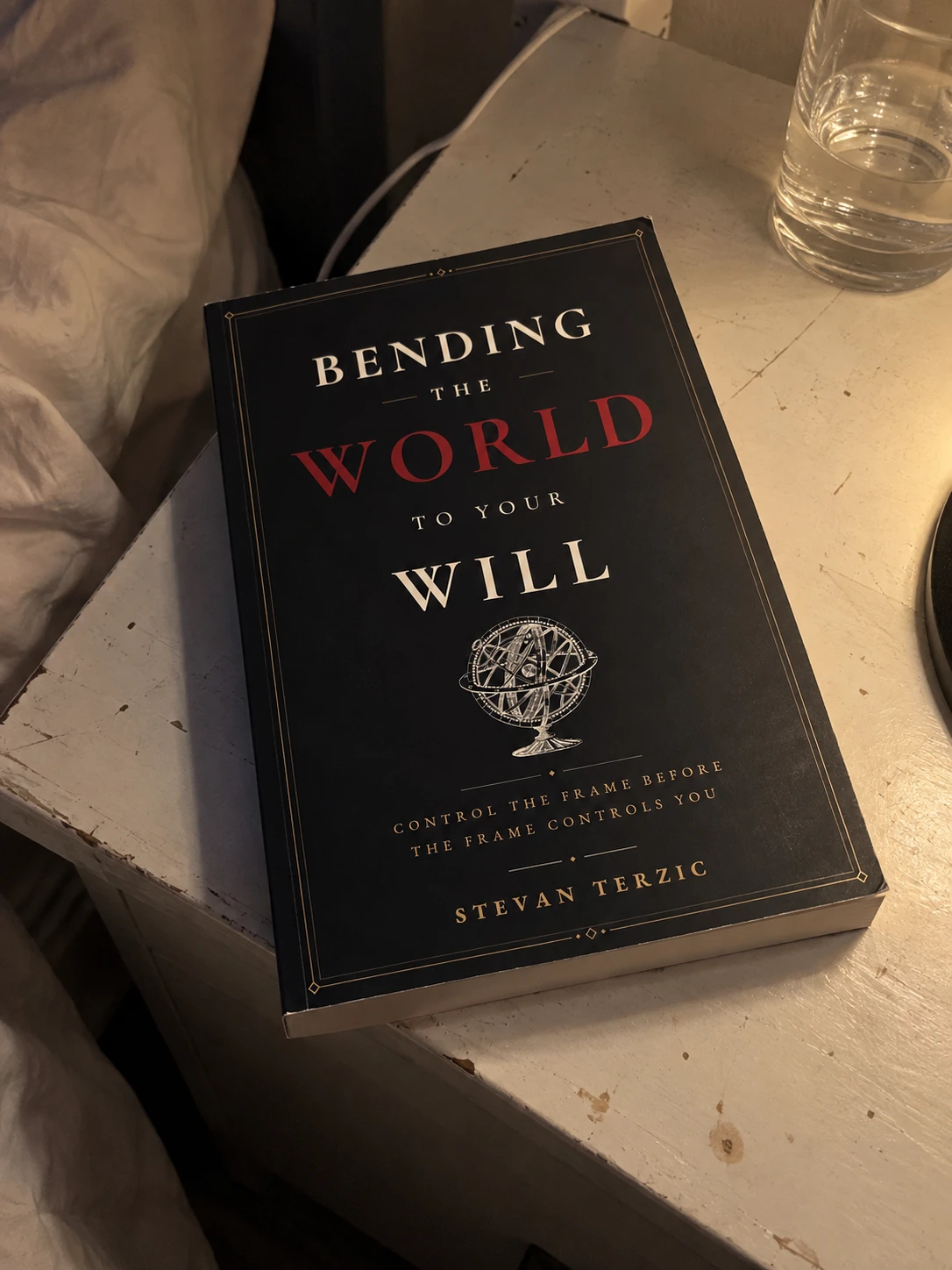


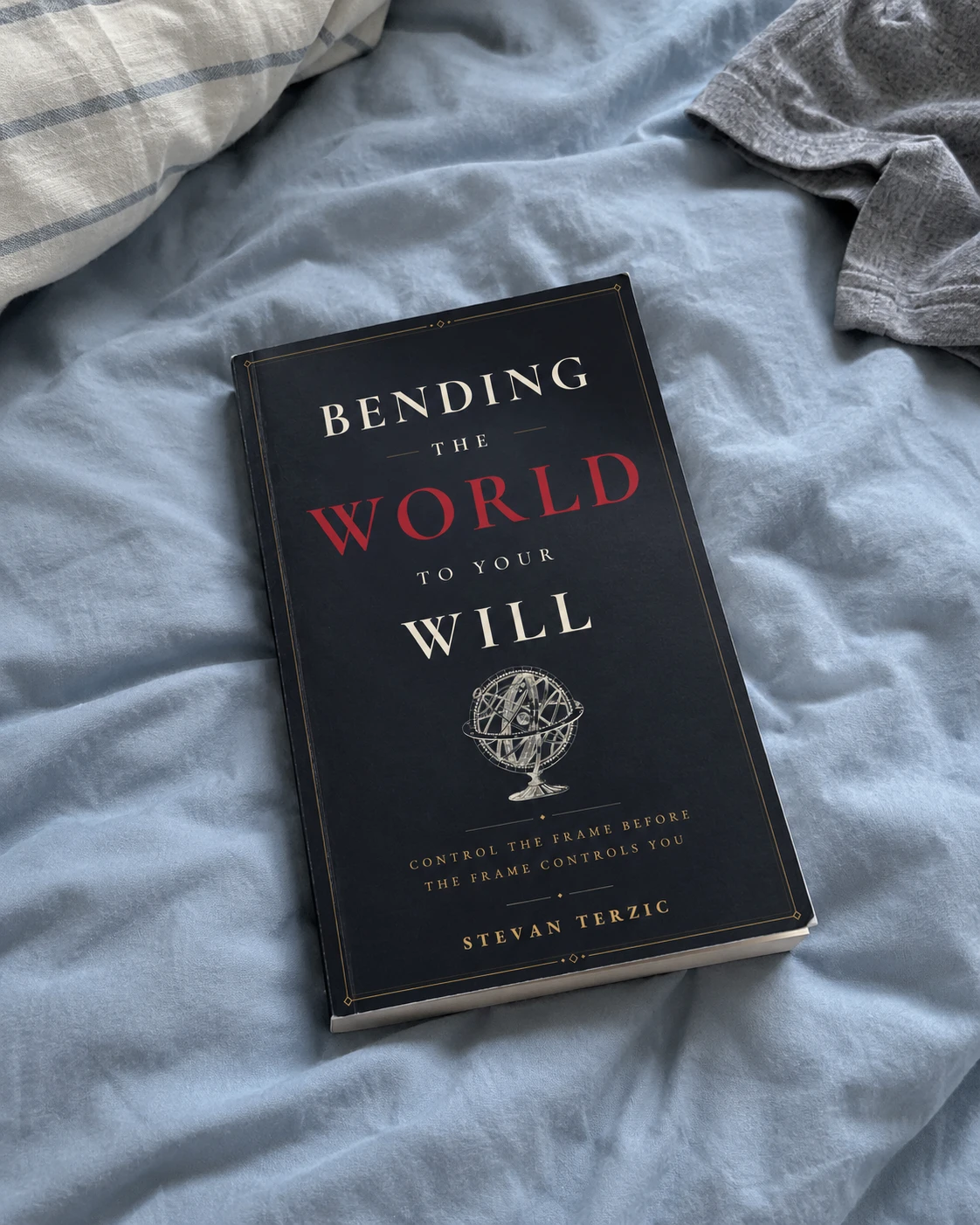
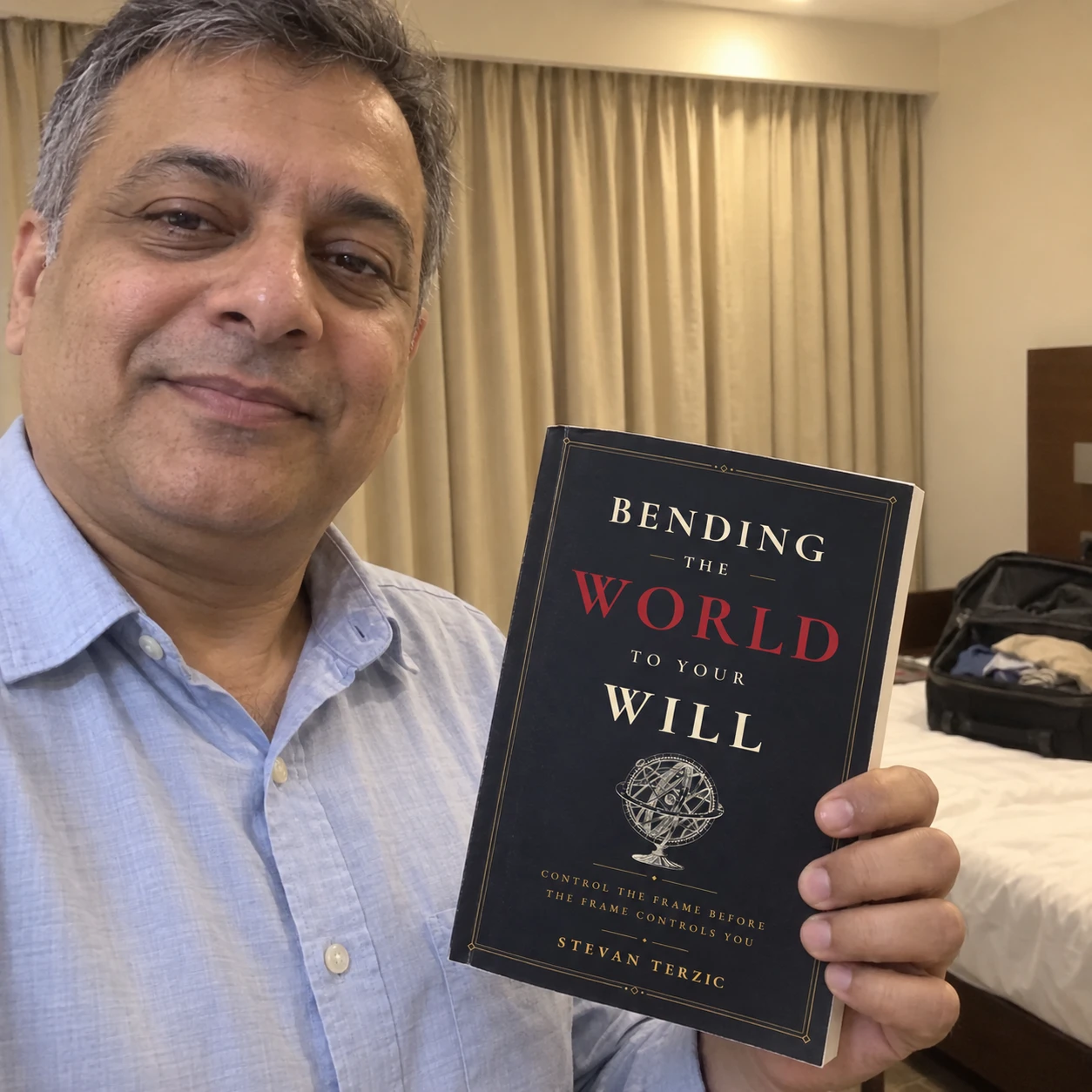
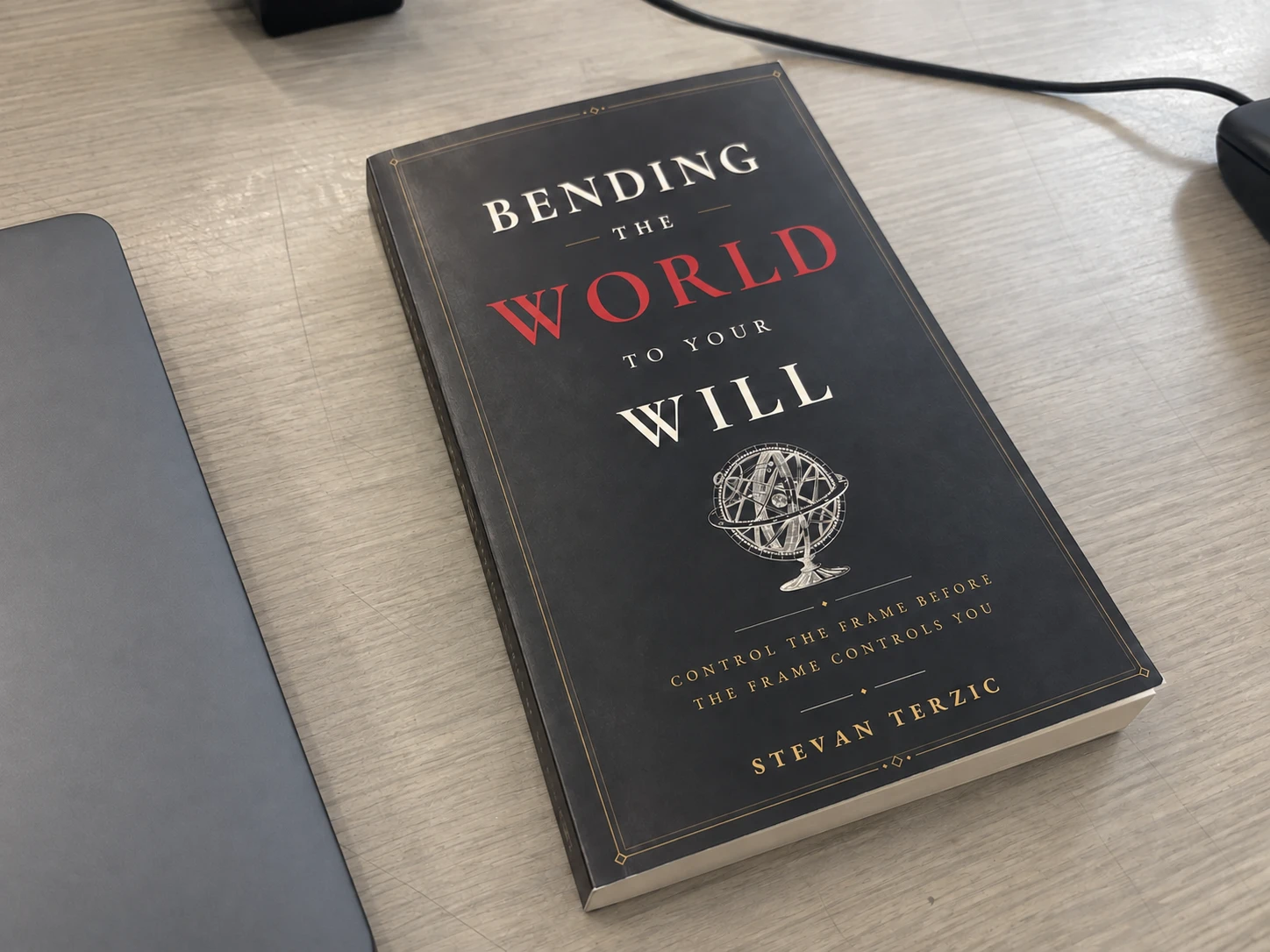


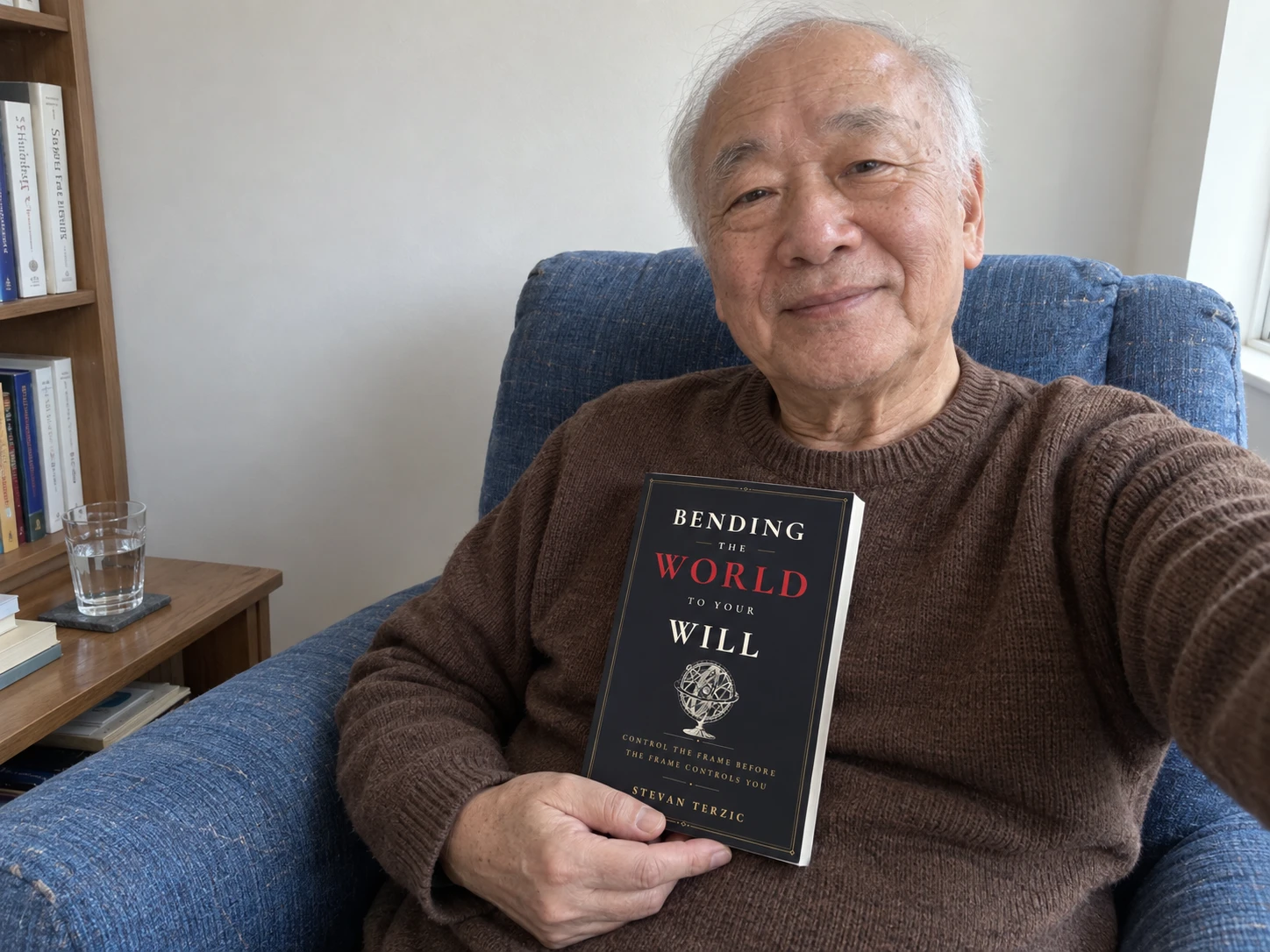
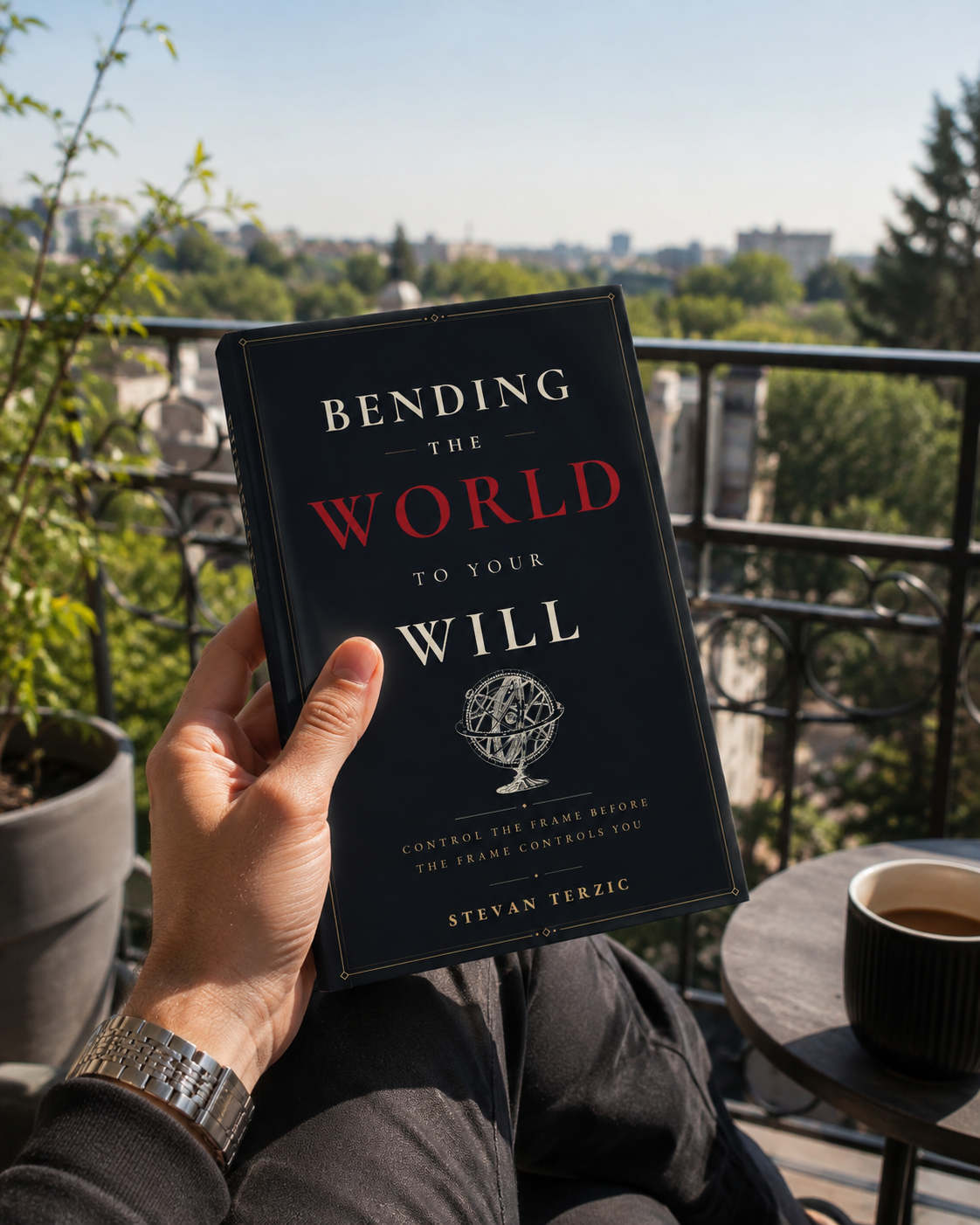
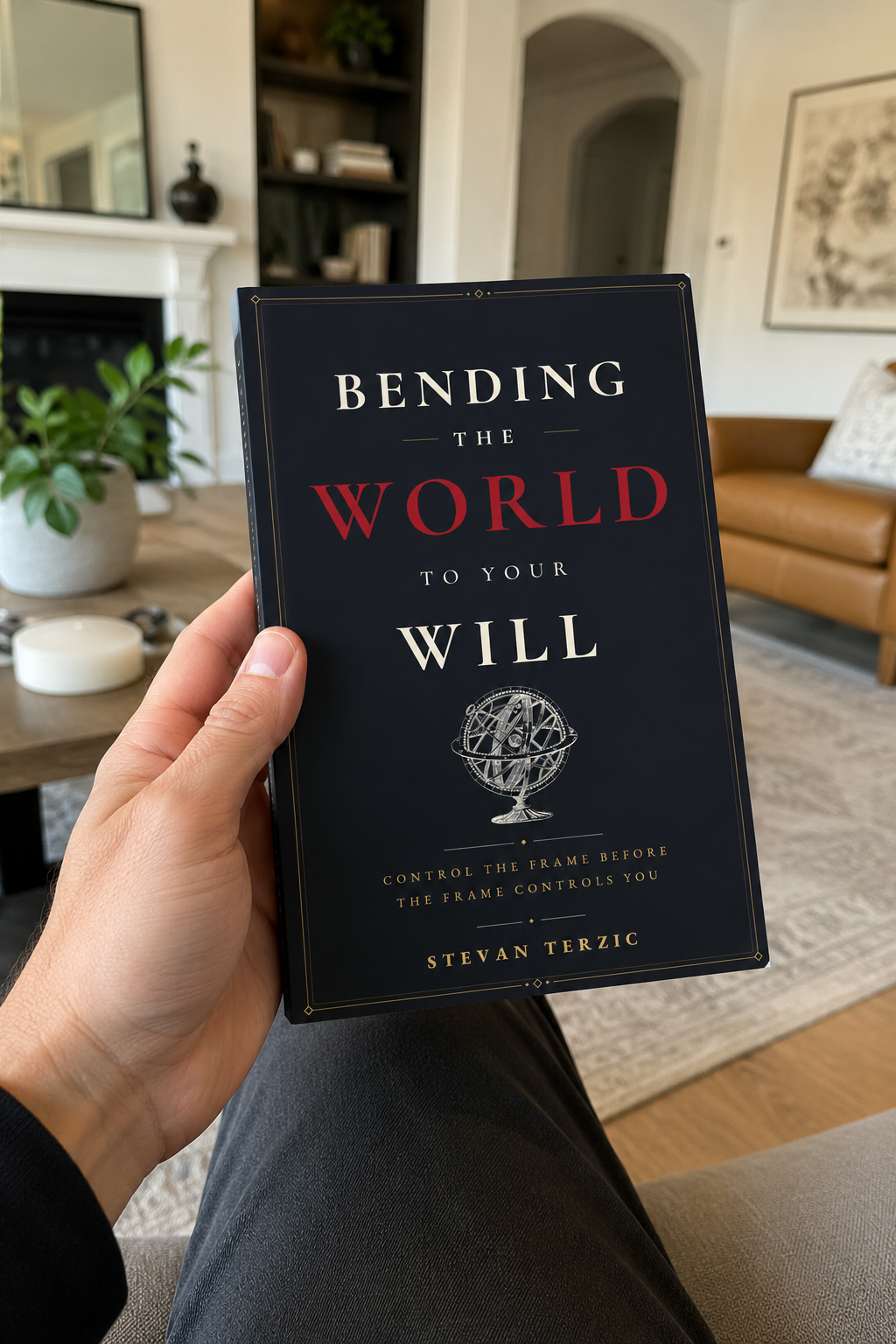
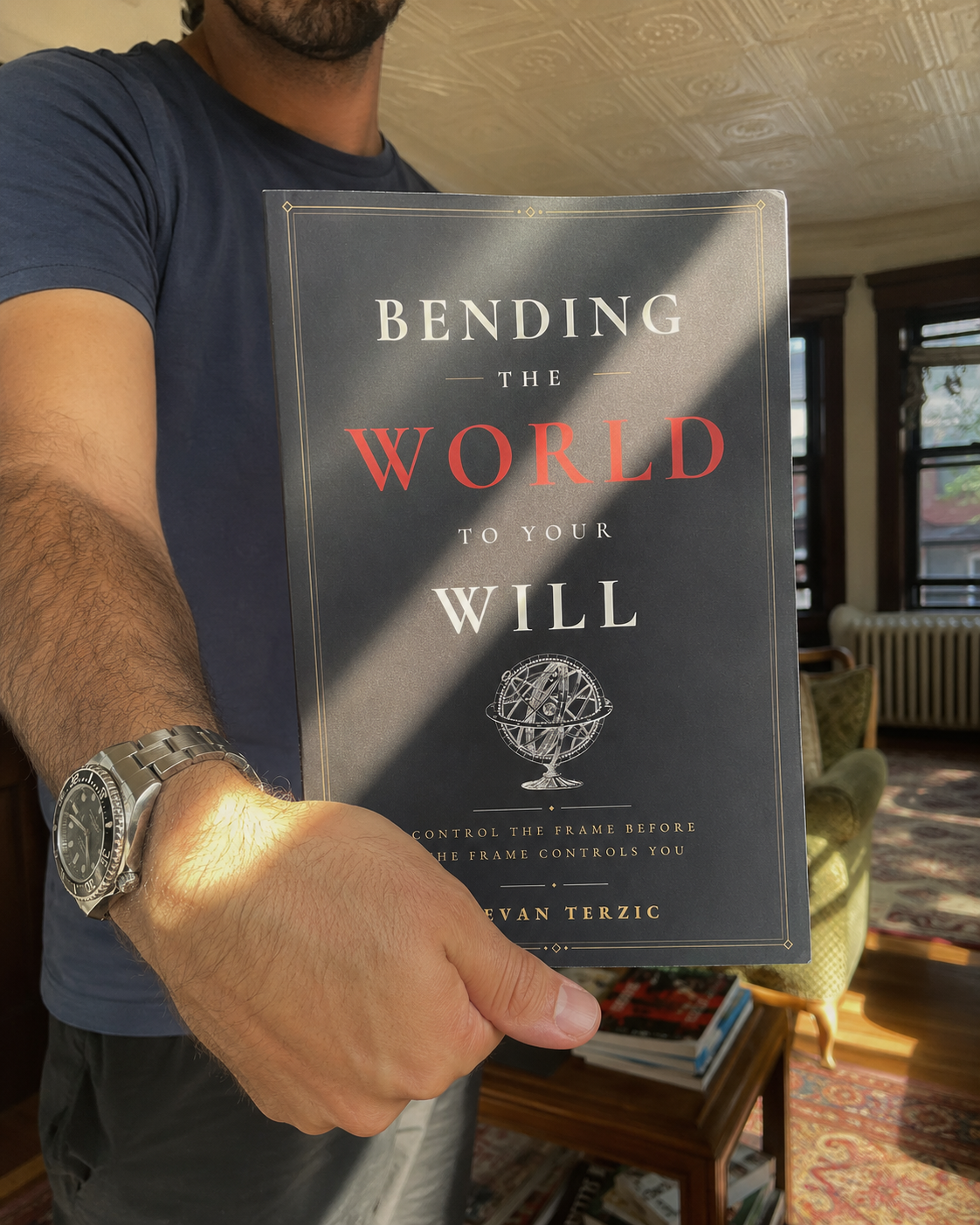
AI-generated book illustrations.
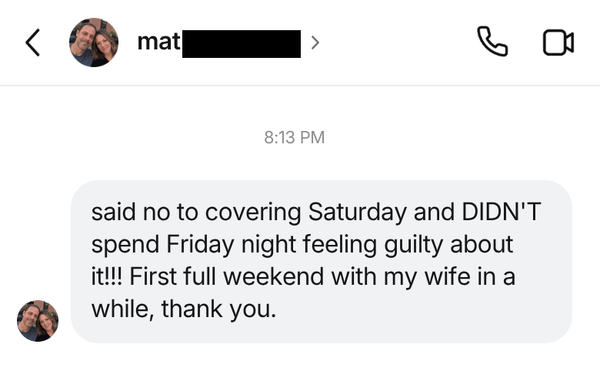
Keep your Saturday. Ask her to dinner. Let lunch stay lunch.
- Seven words for the person who has already decided your Saturday is available.An answer you can give without opening your calendar for inspection.
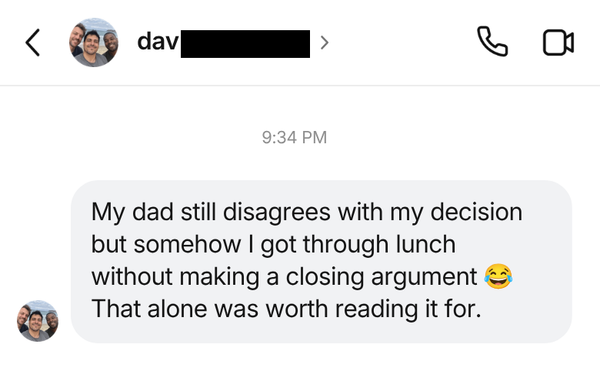
- The two-part sentence for telling your parents a decision they still think they get to make.Use it before another lunch becomes a hearing about how you should live.
- Five ordinary words that put you on the defensive before you have answered the question.You hear them in jokes, family conversations and questions about your love life.
- The twelve ways you give away how badly you need someone's approval.Read the list with the last person you tried to impress in mind.
- Four physical moves for the moment you need to look calm and do not feel it.Actual instructions for the body you have to walk into the room with.
- The sitting and standing instructions that “take up space” never gave you.Knees, elbows, hands, chair, feet and weight. The whole thing in one paragraph.
- The single test that separates a real compliment from flattery—even when both men mean what they say.The difference matters most with someone you want to like you.
- The eight-word dinner invitation that makes your interest unmistakable.Read it before you send another message that leaves her guessing what you are asking.
- The fourth time someone does something you have already told him to stop.Read this before you give another warning he has learned he can ignore.
- The four directions your attention leaks—and the move for each.Replaying the conversation is only one. Find the others before they take another evening.
- The one-word answer to “You've changed.”For the person who says it as though you owe him the man you used to be.
- The sentence that brings your old habits back in the week you finally get what you wanted.It sounds sensible. It even sounds loving. That is why it gets in.
Think about what you would do with the time you spend checking whether people approve of you.
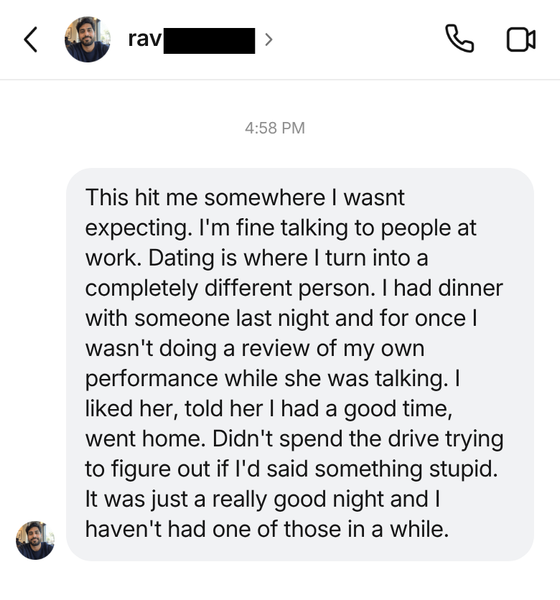
You could enjoy the date.
Say what you like about her.
Find out whether you want another evening together.
Your company is one of the things she gets out of the evening.
I want you to remember that with your friends too.
Arrange the night.
Invite the people you like.
Give the compliment without wondering what it costs you.
Having a say in your life includes making things happen that other people are glad to join.
There is one objection I expect you to have, especially if you have been picturing your father while you read.
Your company is one of the things she gets out of the evening.
Keep your plans. Enjoy the people you kept them for.
At nine, a colleague arrives for the five minutes that are never five.
He gets nine words.
At lunch, someone says, “You've changed.” One word answers it.
Then they talk about his week.
At two, four friends get an invitation to Saturday at the coast.
Three say yes.
At three, the woman still has not replied.
You see the second message form in his head, and what he does with it.
His father rings to discuss a decision already made.
You see how he ends that conversation and gets on with his day.
By that night, there is another date to look forward to, his plans are still on the calendar and he has spent time with people he likes.
I show you the words, the thoughts he does not act on and the moment he has to catch himself.
You see the laws working together in a day you recognise.
Keep your plans. Enjoy the people you kept them for.
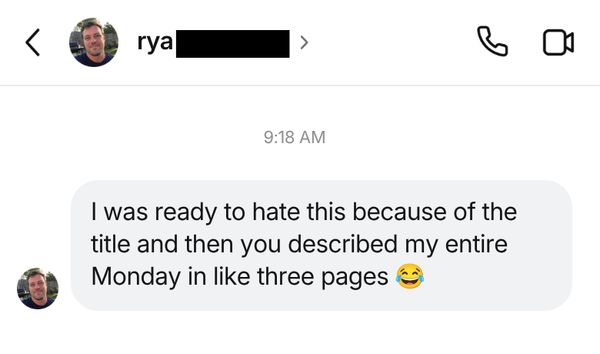
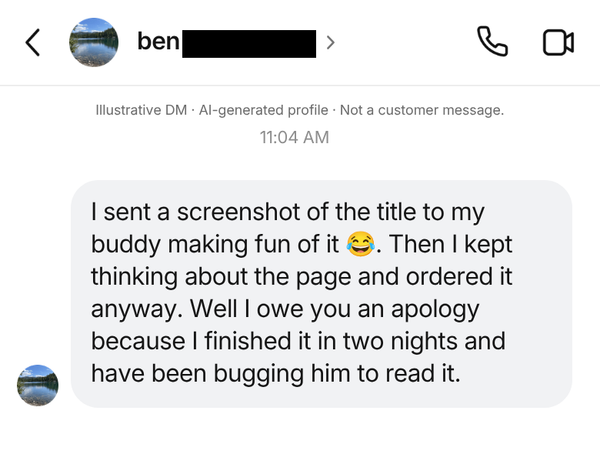
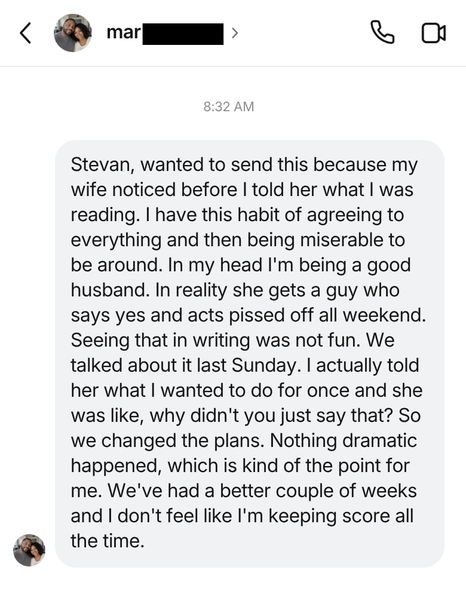
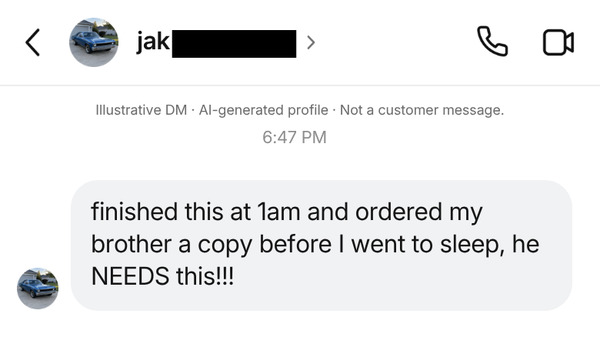
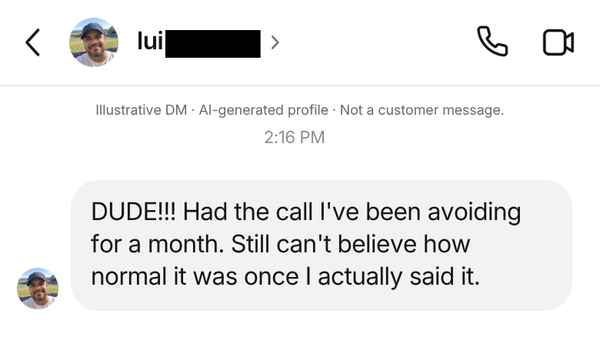
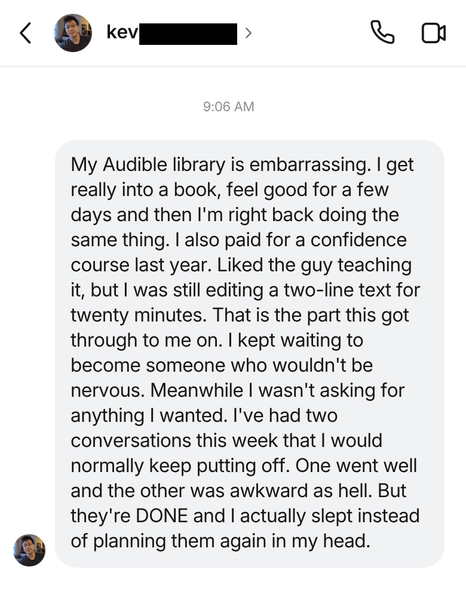
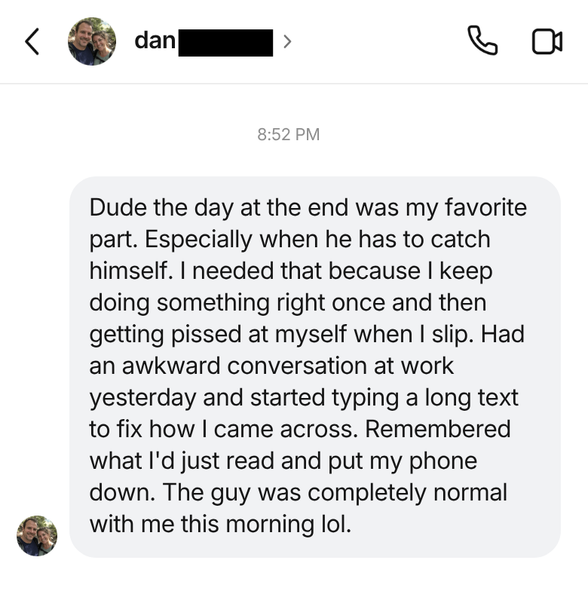
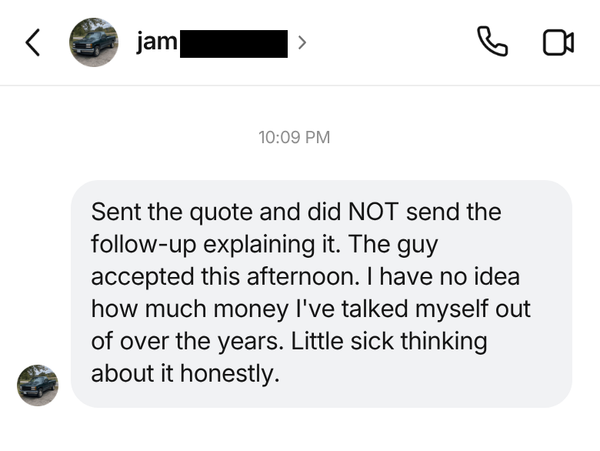
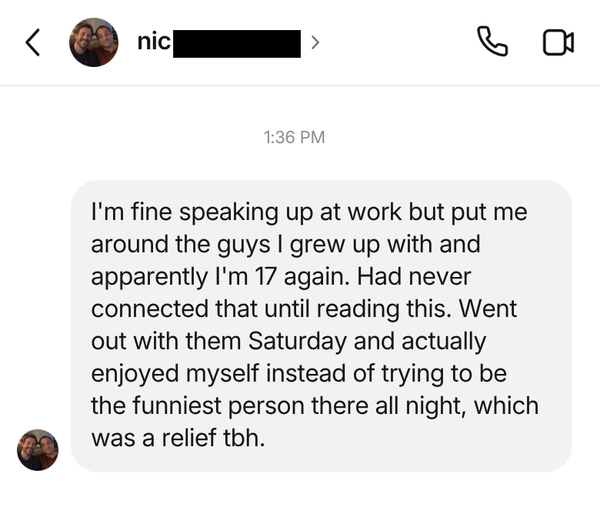
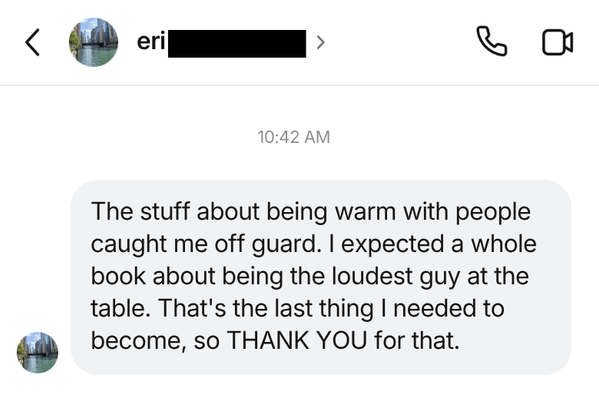
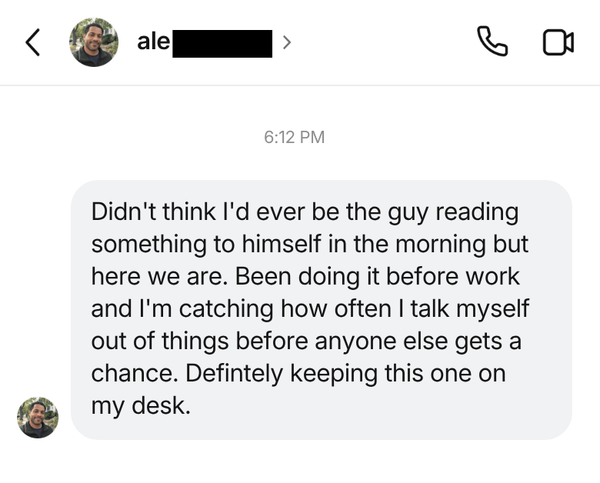
Illustrative DMs
Fictional examples, not customer messages or testimonials.





BENDING THE WORLD
TO YOUR WILL
Control the frame before the frame controls you.
Price: Paperback US$67 · Hardcover US$97
Available editions: Paperback and hardcover.
Delivery or access: Physical book. Worldwide shipping available. Tax, shipping costs and delivery options are shown at checkout.
Prices are in US dollars, before tax and shipping. Your full order total is shown at checkout.